Seasonal Parking Lot Maintenance Checklist
An asphalt parking lot is constantly exposed to vehicle traffic, weather, moisture, sunlight, snow and ice, automotive fluids, and everyday wear.
Regular maintenance can help property owners identify problems earlier, protect the pavement, maintain clear traffic markings, and plan repairs before small issues become larger projects.
The exact maintenance schedule will depend on the pavement’s condition, climate, traffic, and property needs. But a seasonal approach makes it easier to know what to inspect and when.
Use this parking lot maintenance checklist as a starting point for planning throughout the year.
Why Is Parking Lot Maintenance Important?
Parking lot maintenance isn’t one single project.
It’s a combination of routine inspections, cleaning, pavement repairs, drainage management, sealcoating, striping, and seasonal preparation.
Staying ahead of those needs can help:
- Maintain the condition of the asphalt
- Identify cracks and pavement damage earlier
- Reduce standing water and drainage problems
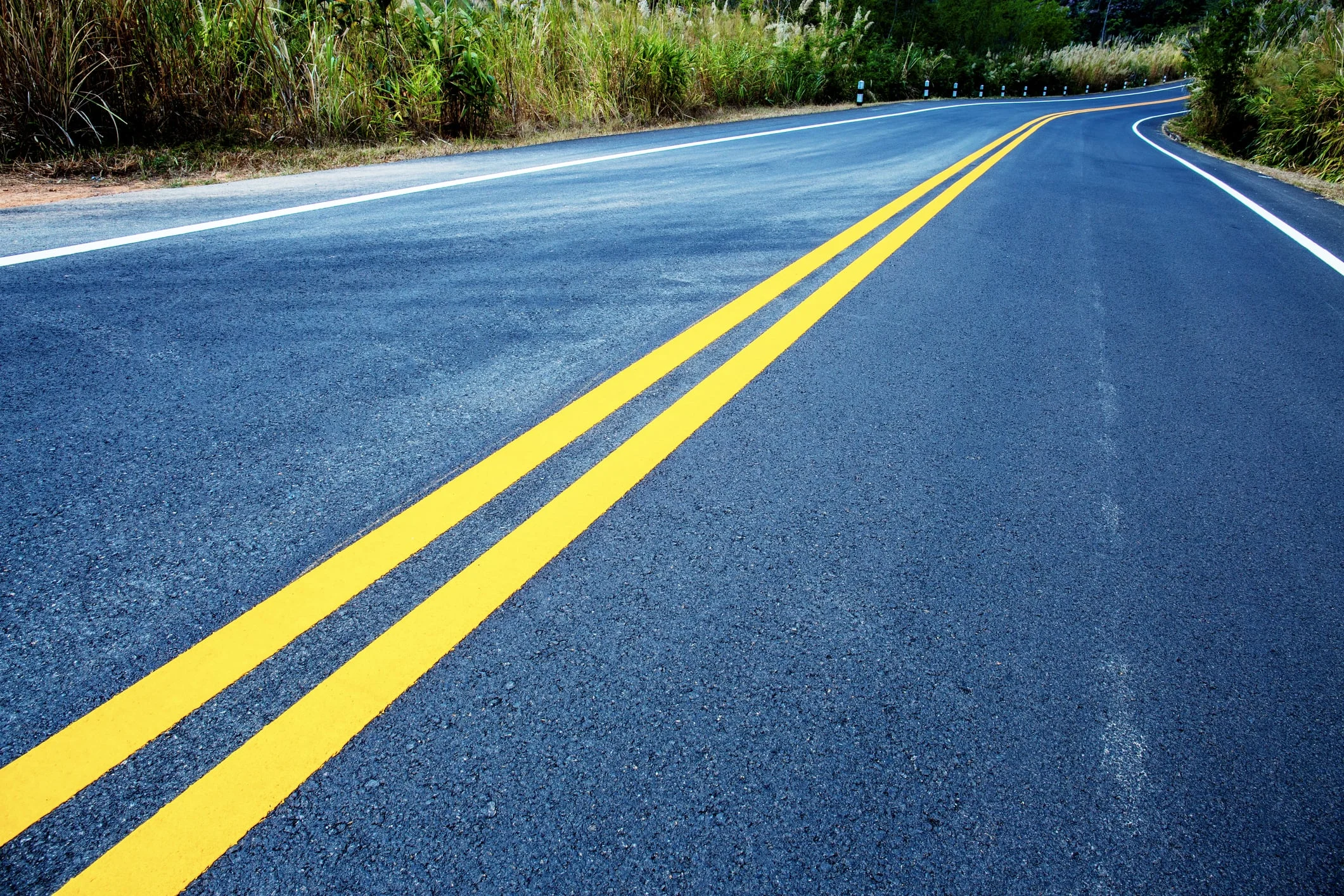
- Keep parking and traffic markings visible
- Maintain the overall appearance of the property
- Plan larger maintenance projects before they become urgent
Rather than waiting until the parking lot visibly deteriorates, inspect it throughout the year and address issues as they appear.
Winter Parking Lot Maintenance
Winter maintenance is primarily about keeping the property usable while minimizing unnecessary damage to the pavement and markings.
Remove Snow Promptly
Develop a snow-removal plan before winter weather arrives.
Removing accumulated snow before it becomes heavily compacted can make the lot easier to maintain and reduce the amount of deicing material required.
Pay particular attention to:
- Driving lanes
- Parking spaces
- Pedestrian routes
- Accessible spaces and access aisles
- Fire lanes
- Entrances and exits
- Drainage areas
Use Deicers Appropriately
Deicing products have different performance characteristics and effective temperature ranges.
Choose products based on actual weather conditions, pavement requirements, environmental considerations, and manufacturer instructions rather than applying more material than necessary.
Calibrated spreading or spraying equipment can also help control application rates.
Be Careful When Plowing
Snowplows and other winter-maintenance equipment can contribute to pavement and marking wear.
Make sure operators understand the property layout and identify curbs, islands, drainage structures, speed bumps, and other obstacles before they’re covered by snow.
Winter wear can also reveal which pavement markings may need attention once warmer weather returns.
Spring Parking Lot Maintenance
When winter ends, inspect the entire parking lot.
Freeze-thaw cycles, snow removal, moisture, and winter traffic can expose or worsen pavement problems that weren’t apparent in the fall.
Inspect the Pavement
Walk the property and look for:
- New or enlarged cracks
- Potholes
- Loose or deteriorating pavement
- Standing water
- Drainage problems
- Damaged curbs
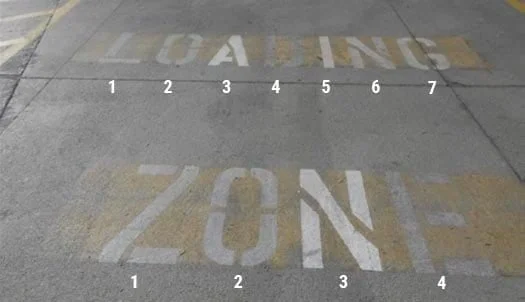
- Faded or damaged pavement markings
Documenting problem areas can help prioritize spring and summer maintenance.
Clean the Parking Lot
Sweep away accumulated dirt, loose aggregate, leaves, litter, and other debris.
Cleaning improves the property’s appearance while also making cracks and pavement damage easier to see during inspection.
Address Cracks and Pavement Damage
Cracks allow water to enter the pavement system and should be evaluated as part of regular maintenance.
The appropriate repair depends on the type and severity of the cracking. More significant deterioration may require patching or professional pavement evaluation rather than simple crack filling.
Check Drainage
Water should move away from the pavement rather than collect on it.
Inspect:
- Drains
- Catch basins
- Gutters
- Low areas
- Curbs and channels
If water regularly pools in the same area, investigate the underlying drainage problem rather than treating standing water as a routine condition.
Summer Parking Lot Maintenance
Warmer weather often provides an opportunity for larger pavement-maintenance projects, including sealcoating and restriping.
Evaluate Whether the Parking Lot Needs Sealcoating
Sealcoating can help protect and refresh an asphalt surface as part of a broader pavement-maintenance program.
But don’t schedule sealcoating solely because a certain number of years have passed.
Consider:
- Current pavement condition
- Previous maintenance
- Surface wear
- Appearance
- Chemical exposure
- Climate
- Product requirements
- Maintenance goals
A sealcoat should be applied to pavement that is in appropriate condition for the coating. Existing structural problems should be addressed rather than simply covered.
Choose the Right Asphalt Sealcoat
Different asphalt sealers offer different application, environmental, dry-time, and performance characteristics.
Aexcel’s BioSealcoat® is a waterborne asphalt sealer for applications including parking lots. It provides an option for property owners and contractors looking for gasoline and oil resistance, low VOC content, and environmental considerations as part of their sealcoat selection.
Before specifying any sealcoat, review its surface-preparation, application, film-build, weather, and dry-time requirements.
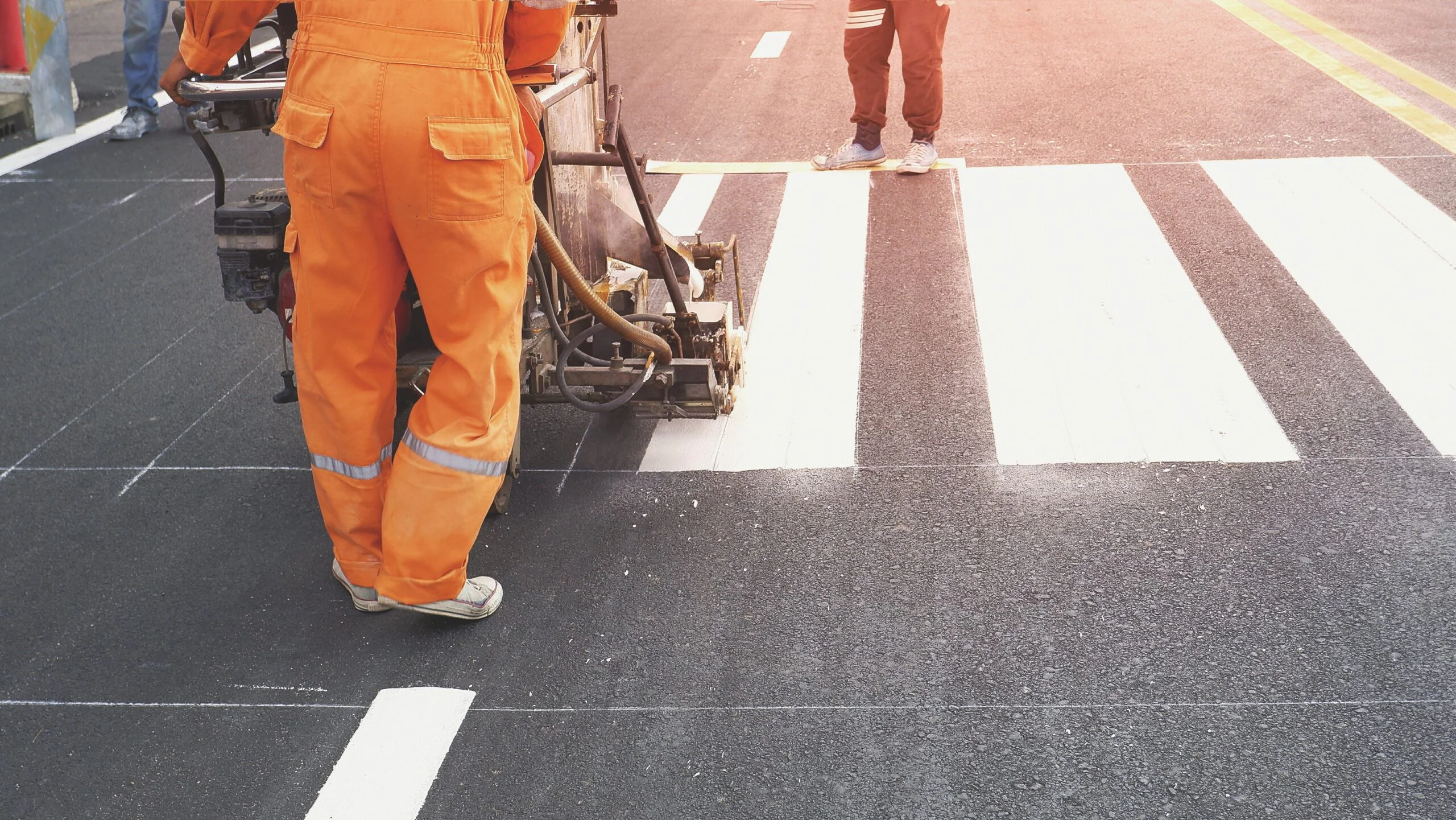
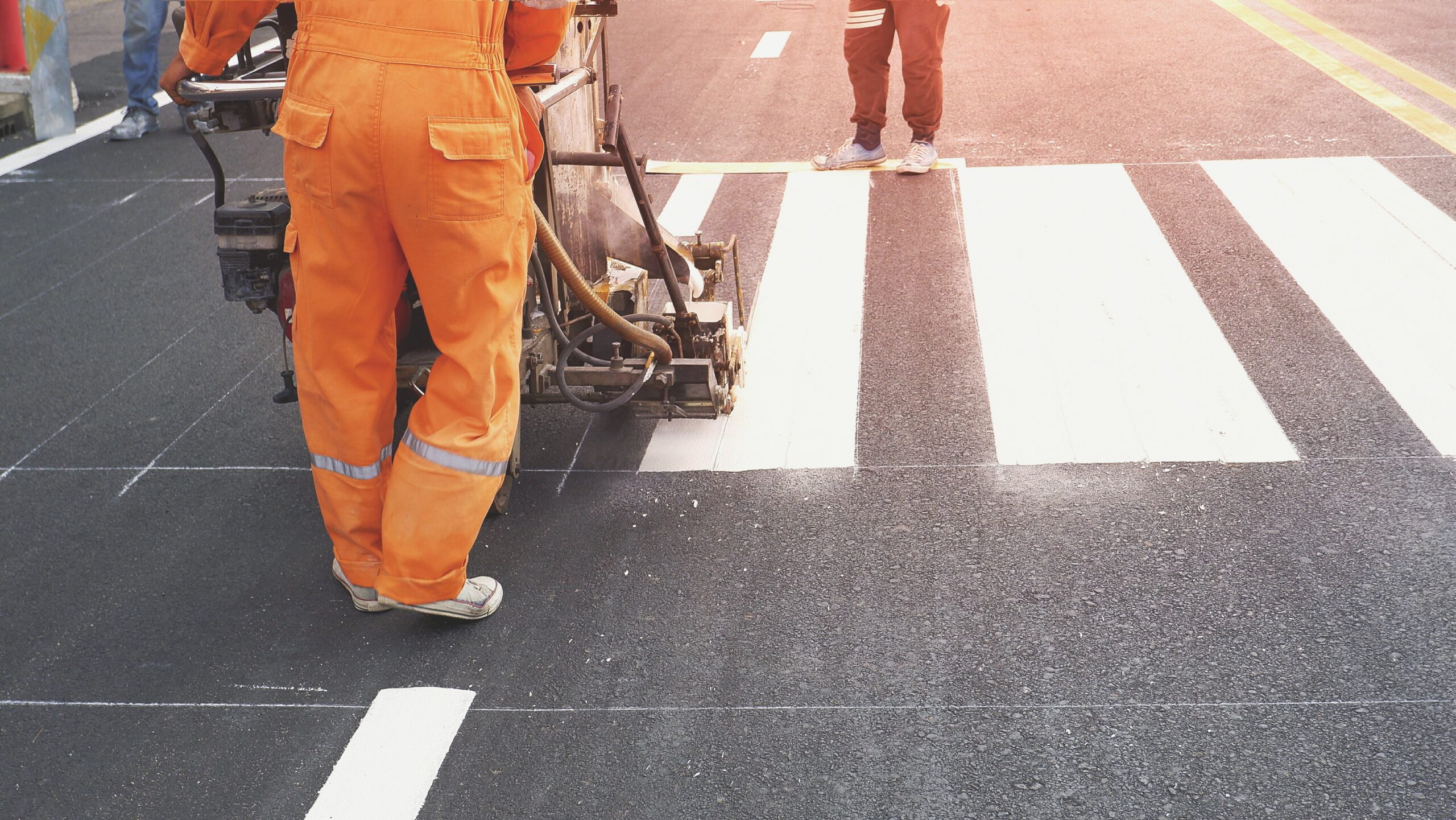
Restripe After Sealcoating
If a parking lot is sealcoated, pavement markings will need to be restored.
This is also a good time to evaluate whether the existing layout still works for the property.
Review:
- Parking stalls
- Accessible spaces and access aisles
- Crosswalks
- Fire lanes
- Loading zones
- Curbs
- Directional markings
- Other required pavement markings
Applicable accessibility, fire, building, and local requirements should be confirmed before changing the layout.
Choose Parking Lot Paint Based on the Application
Not every parking lot needs the same striping paint.
Before choosing a traffic or zone-marking coating, consider:
- Asphalt or concrete surface
- Existing markings
- Application conditions
- Required dry time
- Expected traffic and wear
- Application equipment
- VOC requirements
- Applicable specifications
- Desired maintenance interval
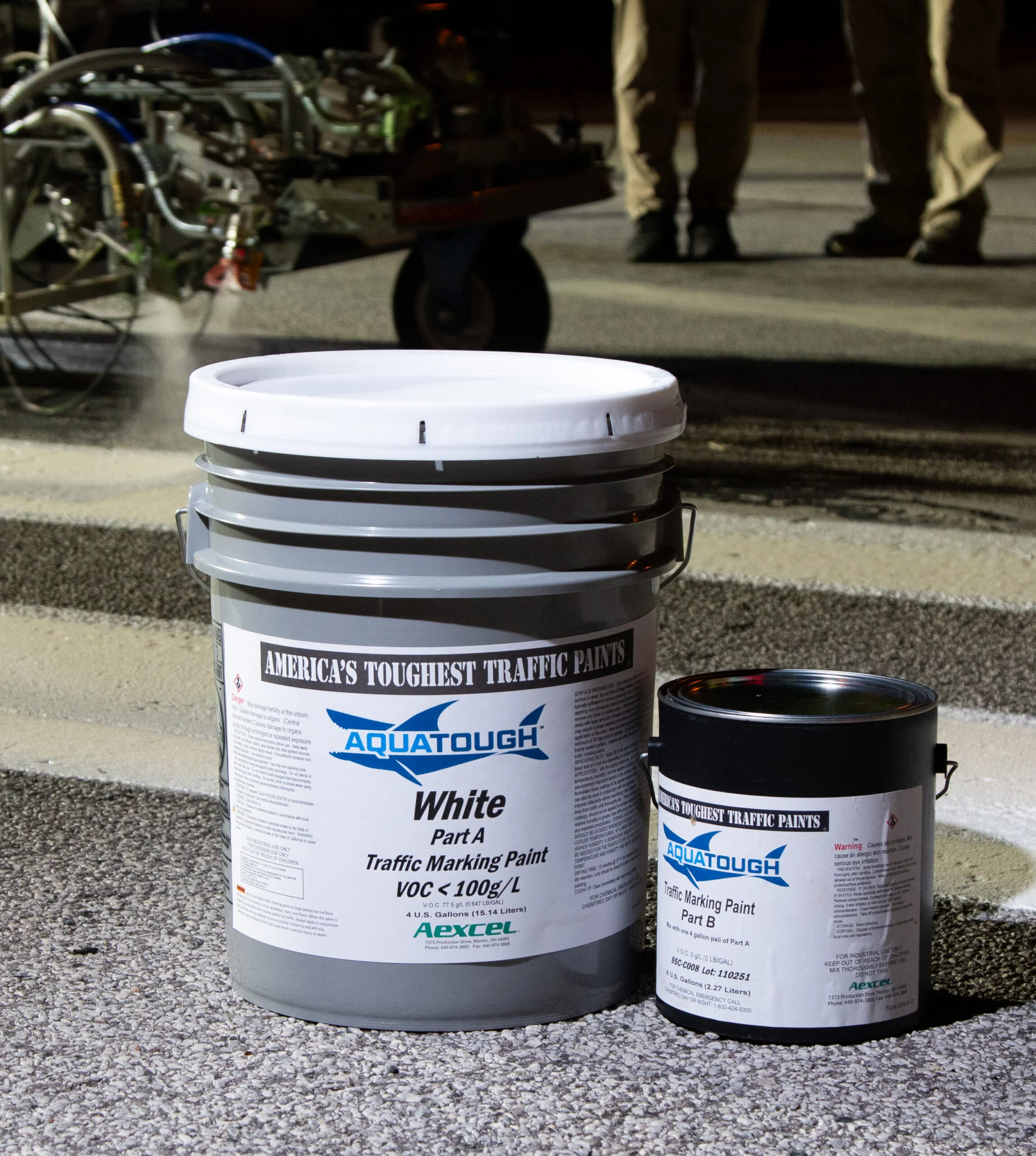
Aexcel offers waterborne, solvent-based, low-VOC, and higher-performance traffic and zone-marking coatings for different application requirements.
Fall Parking Lot Maintenance
Fall is the time to address outstanding maintenance and prepare the property for winter.
Keep the Lot Clean
Regularly remove leaves, dirt, litter, and other debris.
Pay particular attention to areas around drains and catch basins where accumulated material can interfere with drainage.
Inspect Drainage Again
Fall is a good time to make sure drainage systems are clear before freezing temperatures and snow arrive.
Look for standing water after rainfall and clear leaves or debris from drainage paths.
Check Pavement Markings
Make sure important markings remain visible before winter.
Inspect:
- Accessible spaces
- Fire lanes
- Crosswalks
- Traffic-direction markings
- Curbs
- Parking stalls
If markings have deteriorated significantly, determine whether conditions still allow for appropriate restriping or plan the work for spring.
Prepare the Winter Maintenance Plan
Before the first storm:
- Confirm snow-removal responsibilities
- Inspect plowing and deicing equipment
- Identify snow-storage areas
- Stock appropriate deicing materials
- Mark obstacles that could be hidden by snow
- Review drainage and snowmelt routes
Planning ahead can reduce rushed decisions once winter weather arrives.
Parking Lot Maintenance Checklist
Use this abbreviated checklist throughout the year:
Winter
- Remove snow
- Manage ice and deicers
- Protect drainage areas
- Minimize unnecessary plow damage
- Watch for marking and pavement wear
Spring
- Inspect pavement
- Sweep and clean
- Evaluate cracks and potholes
- Check drainage
- Document winter damage
Summer
- Complete necessary pavement repairs
- Evaluate sealcoating needs
- Sealcoat when appropriate
- Restripe pavement markings
- Review parking-lot layout and requirements
Fall
- Remove leaves and debris
- Clear drainage systems
- Inspect pavement and markings
- Complete appropriate repairs
- Prepare snow and ice management plans
Build Maintenance Around the Condition of Your Parking Lot
A seasonal schedule provides a useful framework, but parking lot maintenance shouldn’t run solely by the calendar.
Inspect the property regularly and adjust the plan based on pavement condition, traffic, climate, drainage, and how the property is used.
When summer maintenance includes sealcoating or restriping, product selection matters too. Aexcel offers BioSealcoat® for asphalt sealing and a range of traffic and zone-marking paints designed around different dry-time, VOC, application, and performance requirements.



 What Makes a Traffic Paint Durable?