How to Choose Road Marking Paint: A Traffic Paint Selection Guide
When a customer asks for traffic paint, color and quantity are only the beginning of the conversation.
The right road marking paint, also called traffic marking paint, depends on what is being painted, the surface, expected traffic and wear, application conditions, required dry time, equipment, project specifications, and performance expectations.
That’s why there isn’t one traffic paint that’s best for every job.
For distributors, the goal isn’t to memorize every formulation. It’s to know which questions to ask so you can narrow the options, recommend the right product with confidence, and recognize when an application needs a closer look.
What Is Road Marking Paint?
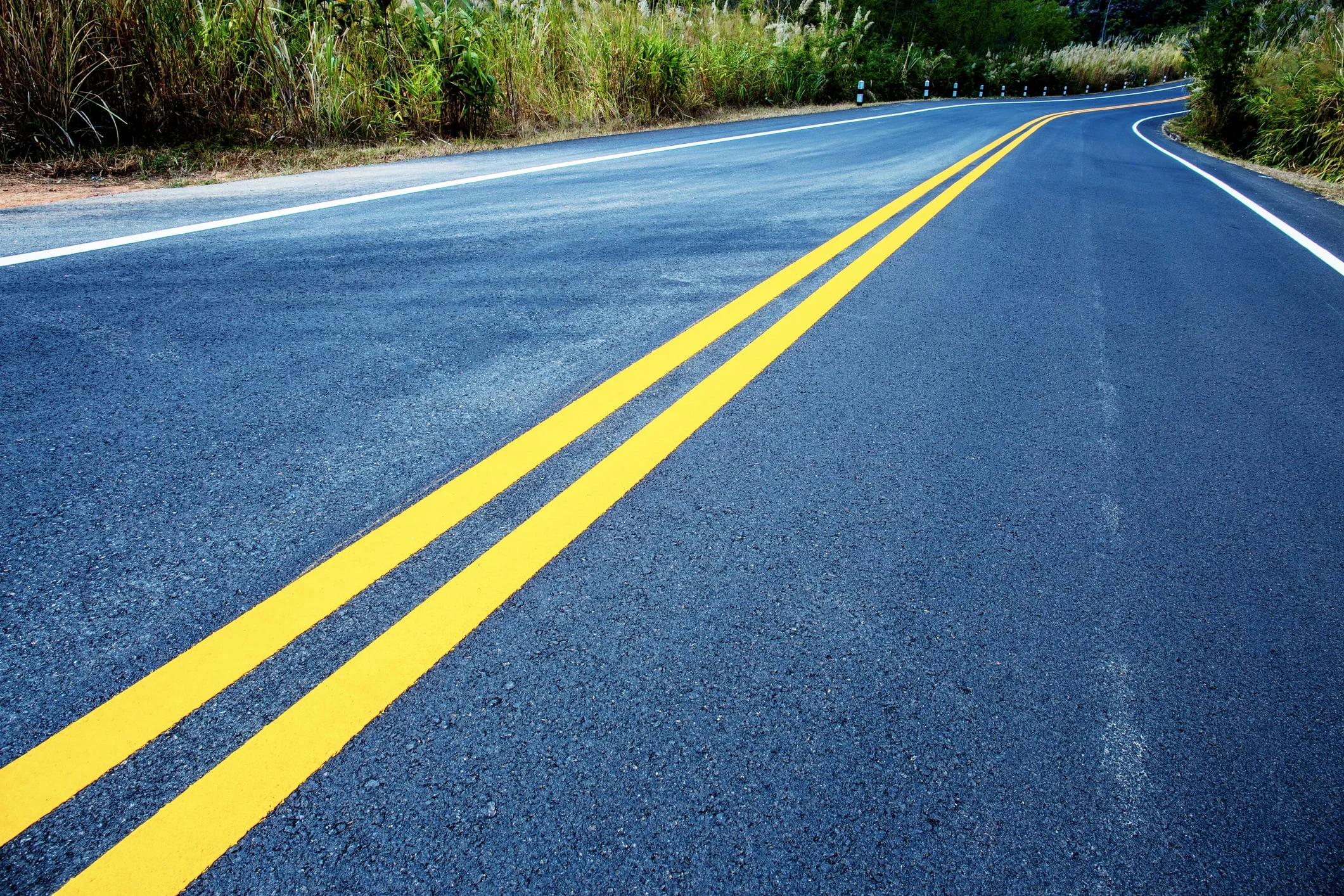
Road marking paint is used to create lines, symbols, and other pavement markings that help organize traffic and communicate information to motorists, bicyclists, and pedestrians.
Applications can include:
- Roads and highways
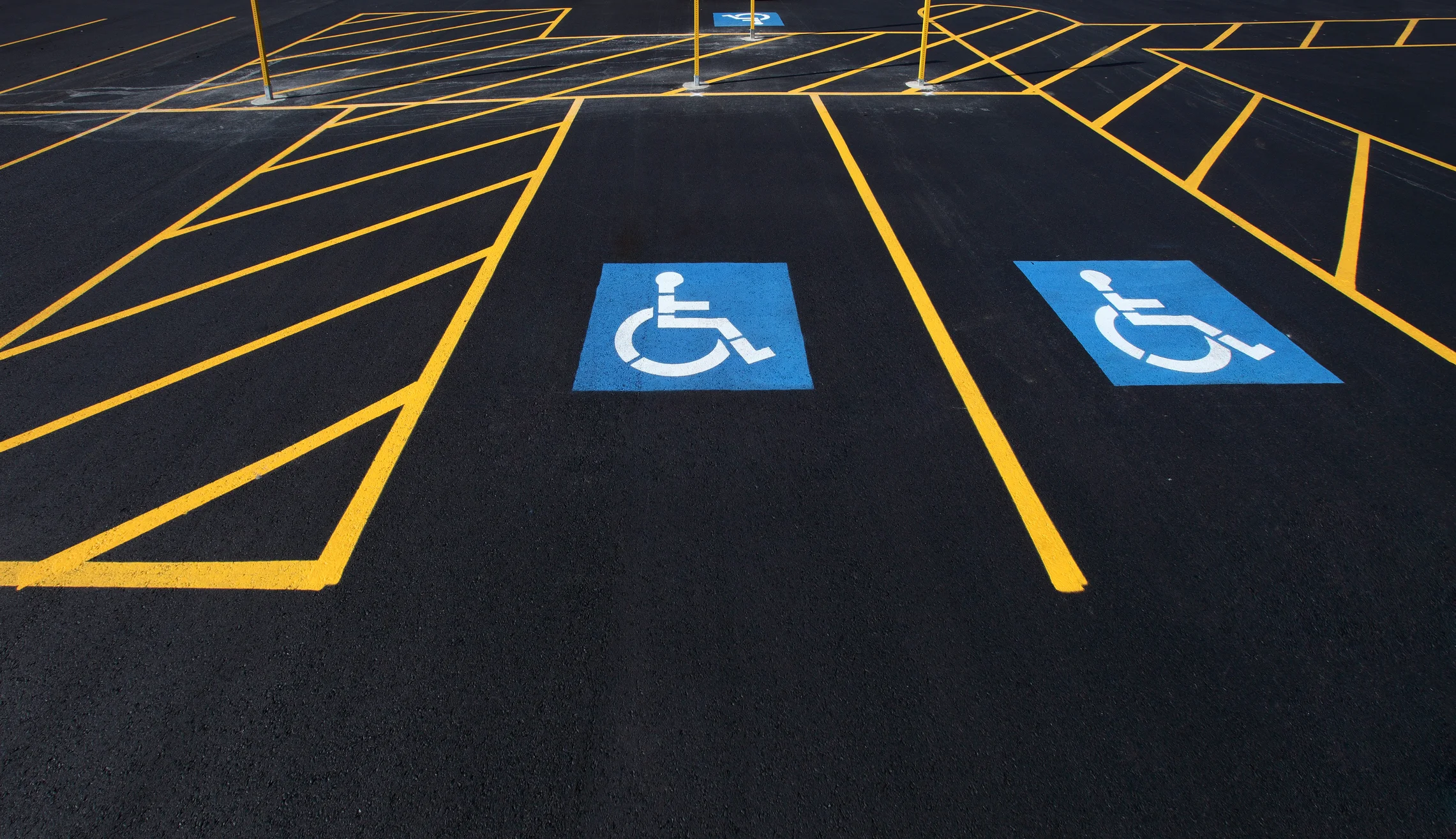
- Parking lots
- Crosswalks
- Stop bars
- Airports
- Curbs
- Bike lanes
- Auxiliary and zone markings
Different applications can have different requirements for color, visibility, dry time, durability, film build, VOC content, and other performance characteristics.
The coating needs to match those requirements as well as the conditions in which it will be applied.
What Types of Traffic Paint Are Available?
Traffic marking coatings are available in several technologies. Understanding the basic differences can help narrow the options, but the coating technology alone shouldn’t determine the recommendation.
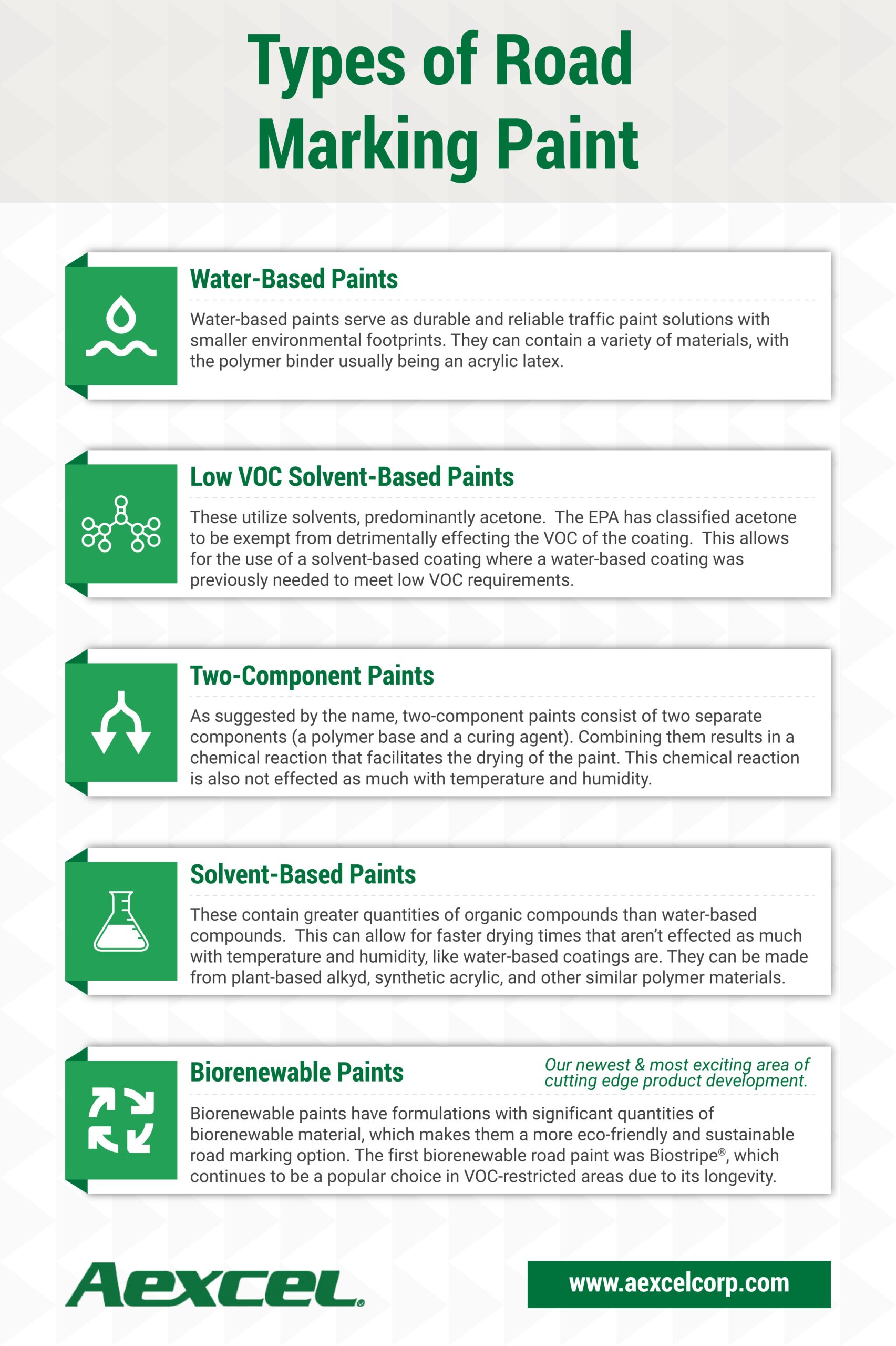
Waterborne Traffic Paint
Waterborne traffic paints use water as a primary carrier and are widely used for roadway, parking lot, airport, and other pavement-marking applications.
Aexcel offers multiple waterborne formulations designed around different dry-time, film-build, and performance requirements.
Waterborne paint can be a good choice when the product meets the project’s requirements and application conditions are appropriate. Because environmental conditions can affect drying, temperature, humidity, pavement moisture, and expected weather should be considered.
Solvent-Based Traffic Paint
Solvent-based traffic paints use organic solvents as the coating carrier and can provide useful application and drying characteristics for certain jobs.
Aexcel offers solvent-based options with different performance and VOC characteristics, including low-VOC formulations.
When considering solvent-based paint, distributors should confirm the customer’s surface, application conditions, equipment, VOC requirements, and project specifications before selecting a product.
Two-Component Traffic Marking Systems
Two-component traffic marking systems combine separate components that react as part of the curing process.
These systems can be useful when a customer needs performance beyond what a conventional one-component traffic paint provides.
Aexcel’s lineup includes multiple two-component technologies, so “two-component” shouldn’t be treated as one single type of paint.
AquaTough®, for example, is a two-component waterborne/epoxy hybrid designed for areas requiring greater wear resistance.
RoadZilla® is a two-component methyl methacrylate (MMA) traffic marking system intended for high-performance applications.
The right system depends on the application, required durability, equipment, installation process, and specifications.
Biorenewable Traffic Paint
Biorenewable traffic paint incorporates renewable raw materials into the formulation.
Aexcel’s BioStripe® is a waterborne alkyd latex traffic safety paint made with renewable soybean oil. It provides distributors with an option when renewable content or sustainability goals are part of the customer’s selection criteria.
As with any traffic paint, renewable content is only one factor. The coating still needs to meet the project’s application and performance requirements.
How Do You Choose the Right Traffic Paint?
Instead of starting with a particular product, start with the customer’s job.
These questions can help narrow the options.
1. What Are They Painting?
First, understand the application.
Is the customer striping:
- A roadway?
- A parking lot?
- A crosswalk or stop bar?
- An airport?
- A bike lane?
- A curb?
- A warehouse or other zone-marking area?
Different applications can have different performance demands and specifications.
A product that’s a good fit for routine parking-lot restriping isn’t automatically the right choice for a high-wear marking or specialized application.
2. What Is the Surface?
Ask whether the customer is painting asphalt, concrete, or an existing coating.
Surface condition and preparation affect adhesion and performance regardless of the traffic-paint technology being used.
If the customer is repainting, find out whether the existing markings are sound or showing signs of peeling, flaking, delamination, or other deterioration.
New pavement can introduce additional preparation considerations, so the product data sheet should be reviewed before application.
3. What Conditions Will They Be Painting In?
Temperature, humidity, pavement moisture, and weather can affect application and drying.
This is particularly important when recommending waterborne traffic paint, but application conditions shouldn’t be ignored with other technologies.
Ask where and when the customer will be applying the paint rather than assuming a product that worked on the last job will automatically work under different conditions.
4. How Quickly Does the Area Need to Reopen?
Dry time can directly affect productivity.
A contractor striping an active roadway or busy parking lot may place a much higher priority on reopening time than someone working in an area that can remain closed longer.
Aexcel offers waterborne products across Regular Dry, Fast Dry, Quick Dry, Jet Dry, and High Build Jet Dry formulations, along with solvent-based and two-component options with their own drying characteristics.
Don’t simply recommend the product with the fastest published number.
Ask how quickly the area needs to reopen and under what application conditions. Then review the specific product data.
5. How Much Durability Does the Customer Need?
More durability can be valuable, but more isn’t automatically better.
Routine restriping may not justify the same coating system as a marking exposed to heavier wear or an application where extending service life is a priority.
This is where products such as AquaTough® and RoadZilla® can enter the conversation.
AquaTough® is designed for applications requiring greater wear resistance and can be used on roadways, parking lots, crosswalks, stop bars, and other higher-durability applications.
The important question is:
Does this application require the additional performance?
If not, a conventional waterborne or solvent-based traffic paint may be the more practical choice.
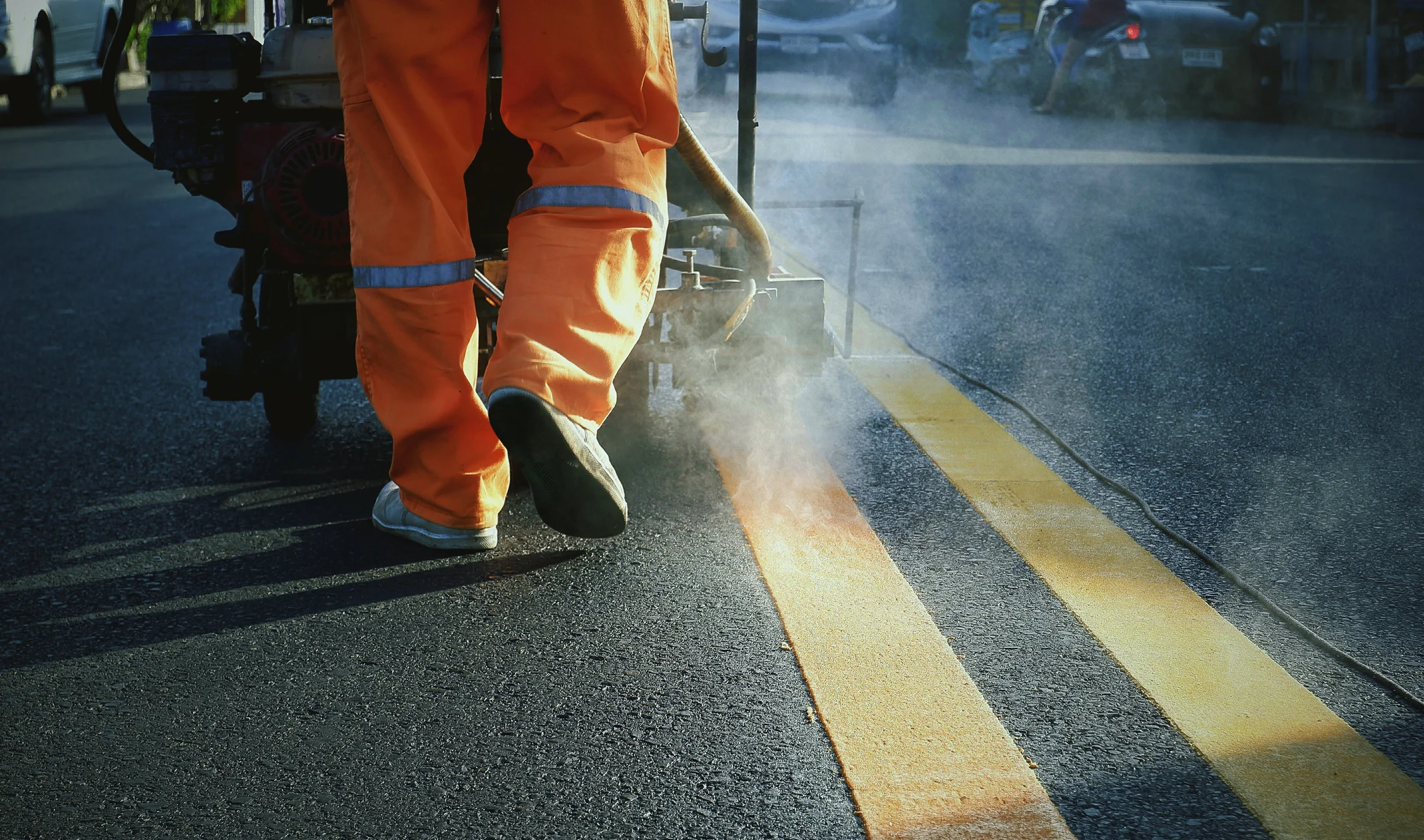
6. What Equipment Is the Customer Using?
The coating needs to fit the customer’s application process.
Some Aexcel traffic paints are designed for standard striping equipment, while specialized systems may introduce different mixing, equipment, or application requirements.
Before recommending a higher-performance or two-component system, make sure the customer understands what is required to apply it correctly.
7. Are There VOC Requirements?
VOC content can affect product selection, particularly when comparing solvent-based options.
Aexcel offers low-VOC traffic paint formulations for applications where VOC requirements are an important consideration.
For example, Low VOK™ is a solvent-based acrylic traffic marking paint with VOC content below 100 g/L.
But don’t assume one VOC threshold applies to every project.
The distributor or customer should confirm the applicable federal, state, local, agency, and project-specific requirements before selecting a coating.
8. Does the Project Have a Required Specification?
A customer may need more than a paint that performs well. The coating may also need to meet a particular federal, state, agency, or project specification.
Ask about specifications early.
Aexcel’s traffic paint products can be filtered by specification, application, dry time, VOC, and other criteria, making it easier to narrow the lineup once the project’s requirements are understood.
9. Is the Customer Trying to Solve a Specific Problem?
Sometimes the most useful qualifying question is simply:
“What are you trying to improve?”
The answer might be:
- Faster dry time
- Greater durability
- Better performance under particular application conditions
- Higher film build
- Lower VOC
- Renewable content
- Less frequent restriping
- Compatibility with existing equipment
Once you understand the problem, you can evaluate products based on the characteristic that actually matters instead of recommending a different paint without a clear reason.
How Do Aexcel Traffic Paint Options Compare?
Aexcel’s lineup gives distributors options for a range of customer requirements.
|
If the customer needs… |
Start by considering… |
|
A conventional traffic marking option |
Waterborne or solvent-based traffic paint |
|
Faster turnaround |
Fast Dry, Quick Dry, Jet Dry, or an appropriate fast-drying solvent-based formulation |
|
Greater film build |
High Build Jet Dry |
|
Low-VOC solvent-based performance |
Low VOK™ or another applicable low-VOC formulation |
|
Greater wear resistance |
AquaTough® |
|
A high-performance two-component system |
RoadZilla® or another applicable two-component option |
|
Renewable content |
BioStripe® |
|
Zone-marking options |
Gorilla™ and other applicable traffic/zone-marking products |
This is a starting point, not a product specification.
The final recommendation should be based on the individual product data sheet, application requirements, and applicable project specifications.
Waterborne or Solvent-Based Traffic Paint: Which Is Better?
Neither is universally better.
Waterborne and solvent-based traffic paints have different application characteristics, formulations, VOC profiles, and performance options.
A waterborne product may be the better choice for one customer’s conditions and requirements, while a solvent-based formulation may make more sense for another.
Rather than asking “Which type is better?”, ask:
“Which coating best fits this surface, application, conditions, equipment, dry-time requirement, and specification?”
That’s the more useful way to make the comparison.
When Should You Consider a Higher-Performance Traffic Marking System?
A higher-performance coating makes sense when the application justifies it.
For example, AquaTough® is a two-component waterborne/epoxy hybrid designed for greater wear resistance. Aexcel lists applications including roadways, parking lots, crosswalks, and stop bars, with a published dry time of 15 minutes at 77°F when applied at 30 wet mils or less.
That doesn’t mean every parking lot needs AquaTough®.
If the customer doesn’t require the additional durability of a two-component system, a conventional traffic paint may be more economical and easier to incorporate into the job.
The same principle applies across the lineup: match the performance level to the customer’s actual need.
What Should a Distributor Ask Before Recommending Traffic Paint?
You don’t need to know the answer before the conversation starts.
You need to know what to ask.
Start with:
- What are you painting?
- What is the surface?
- Is it new work or repainting?
- What conditions will you be painting in?
- How quickly does the area need to reopen?
- What level of wear or traffic will it see?
- What equipment are you using?
- Are there VOC requirements or project specifications?
- Is there a particular performance problem you’re trying to solve?
Those questions can turn a request for “traffic paint” into a much more informed product recommendation.
Help Your Customers Find the Right Traffic Paint
Aexcel manufactures traffic marking products across waterborne, solvent-based, low-VOC, biorenewable, and two-component technologies for a range of pavement and zone-marking applications.
But a broad product lineup only helps if you can narrow it to the products that make sense for the job.
Start with the customer’s surface, application, conditions, dry-time requirements, durability needs, equipment, and specifications. From there, use Aexcel’s traffic paint product filters and individual product data sheets to compare the appropriate options.
And when the application doesn’t point to an obvious answer, Aexcel’s technical team can help distributors work through the requirements and determine which products should be considered.