Driveways are usually exposed to vehicle fluids, UV rays, rain, and snow. A good seal coating protects your home driveway from abrasion, weather, and chemical damage and improves its appearance. While contractors often use BioSealcoat® asphalt sealers, here we will discuss an option best-suited for homeowners. This post will explain how to apply driveway sealer with a roller in four easy steps, as well as the best driveway sealer to use.
The Growing Street Art Trend
Street art or asphalt art is a growing trend in major cities worldwide that involves activating public spaces with inexpensive and effective art. Cities are integrating art through visual interventions on roadways, pedestrian spaces, and various types of vertical infrastructure.

When choosing traffic marking paint for roadways, parking lots, walkways, and more, it's imperative for local and state agencies to select a paint that can withstand heavy traffic and harsh weather conditions. The ideal option will offer long-term adhesion and visibility with low maintenance concerns to minimize traffic disruption and effectively maintain public safety.
Aerosol coatings are spray paints applied from pressurized cans. They are convenient and user-friendly because they are portable, have a long shelf life, and cover irregular or hard-to-reach surfaces. People use industrial spray coatings for various applications, such as protecting components against abrasion, corrosion, grease, and slipping.
Health Risks of Coal Tar Driveway Sealers – PAHs 101
Coal tar sealants and asphalt emulsions are thick, black protective substances for coating asphalt parking lots, playgrounds, and driveways. While they help seal and preserve such surfaces, they also contain various chemicals that, when released into the environment, may cause health and ecological issues. Fortunately, homeowners have BioSEALSAFE™ as a safer option to resurface driveways. Learn what makes BioSEALSAFE™ a superior alternative.
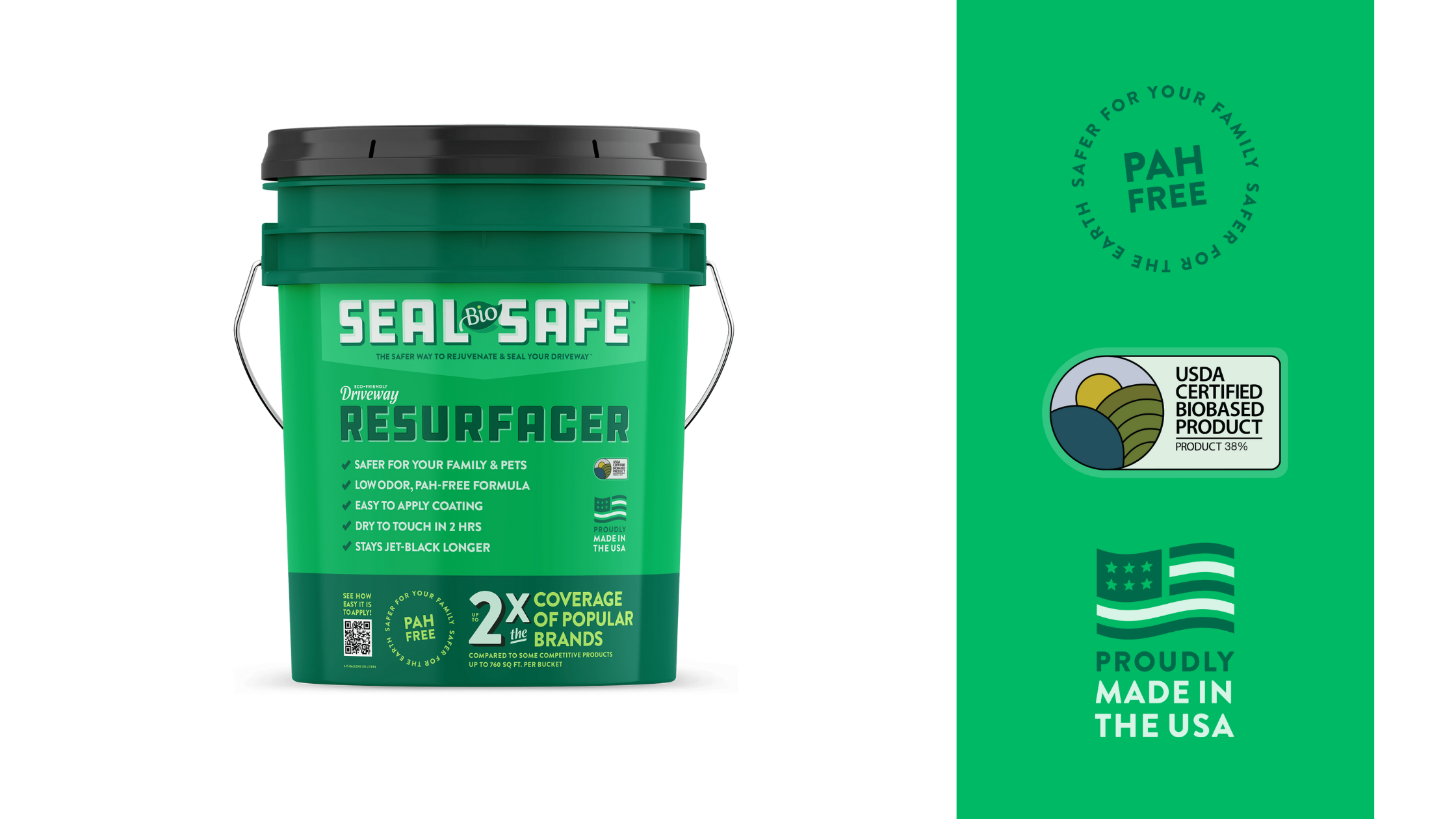
We are offering our eco-friendly asphalt resurfacer to customers online through a partnership with Lowe’s. BioSealSafe™ is the safer way to rejuvenate and seal your driveway. Stop using outdated dangerous chemicals to seal your driveway. Protect your driveway and your family with BioSealSafe™.
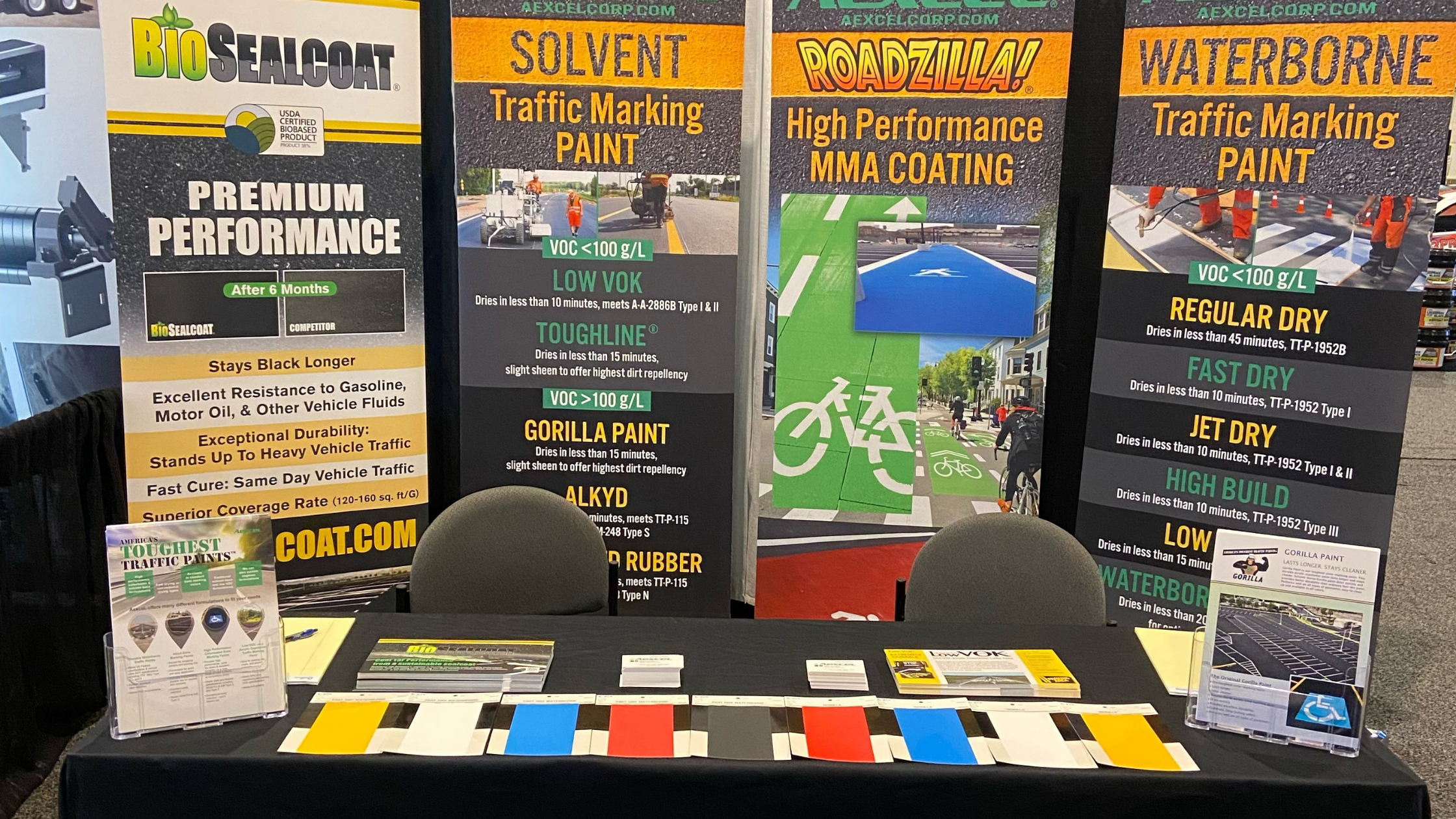
Our team recently attended the National Pavement Expo in Charlotte, NC. With this post, we share their insights on the show.
Maybe foremost, we were happy to attend a show and interact with customers again safely!
The team appreciated everyone who stopped by our booth; there were plenty of great questions.

BioSealcoat® is a safer way to rejuvenate and seal your driveway. It will retain a jet-black appearance longer and keep it strong. Even in rough weather conditions, our eco-friendly sealer has remained effective in maintaining driveways.
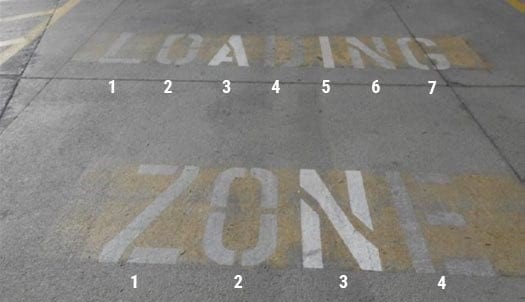
The Original Gorilla Paint is our toughest zone-marking paint. This durable acrylic copolymer paint lasts longer, retains color longer, and stays cleaner. Solvent-borne Gorilla paint dries quickly and provides much better durability than ordinary fast-dry paint. Gorilla performs well on all types of pavement, is easy to clean up, and is available in all colors.

We have seen a lot in our 50+ years in the paint and coatings industry. We have dealt with hundreds of (or more!) shipping and receiving issues, timeframe challenges, storage requirements, and product damage situations. We have experience with a wide variety of unique customer needs.
It is essential to think ahead about shipping requirements and constraints when you place your order. Our team has provided questions to consider in your ordering and receiving process.